Discover loose leaf tea online canada for the perfect cup every time
Discover loose leaf tea online canada for the perfect cup every time
Blog Article
Your Full Handbook for Whole Leaf Tea: Advantages, Preparation Tips, and Premier Producers
Loose leaf tea delivers a rich array of tastes and advantages that distinguish it from traditional tea bags. Grasping the vital steeping methods can enhance the tea journey considerably. However, many enthusiasts miss common pitfalls that can detract from the flavor. Additionally, knowing how to select the right tea is crucial. This guide will explore these aspects and more, offering insights that might change how one approaches this ancient beverage.
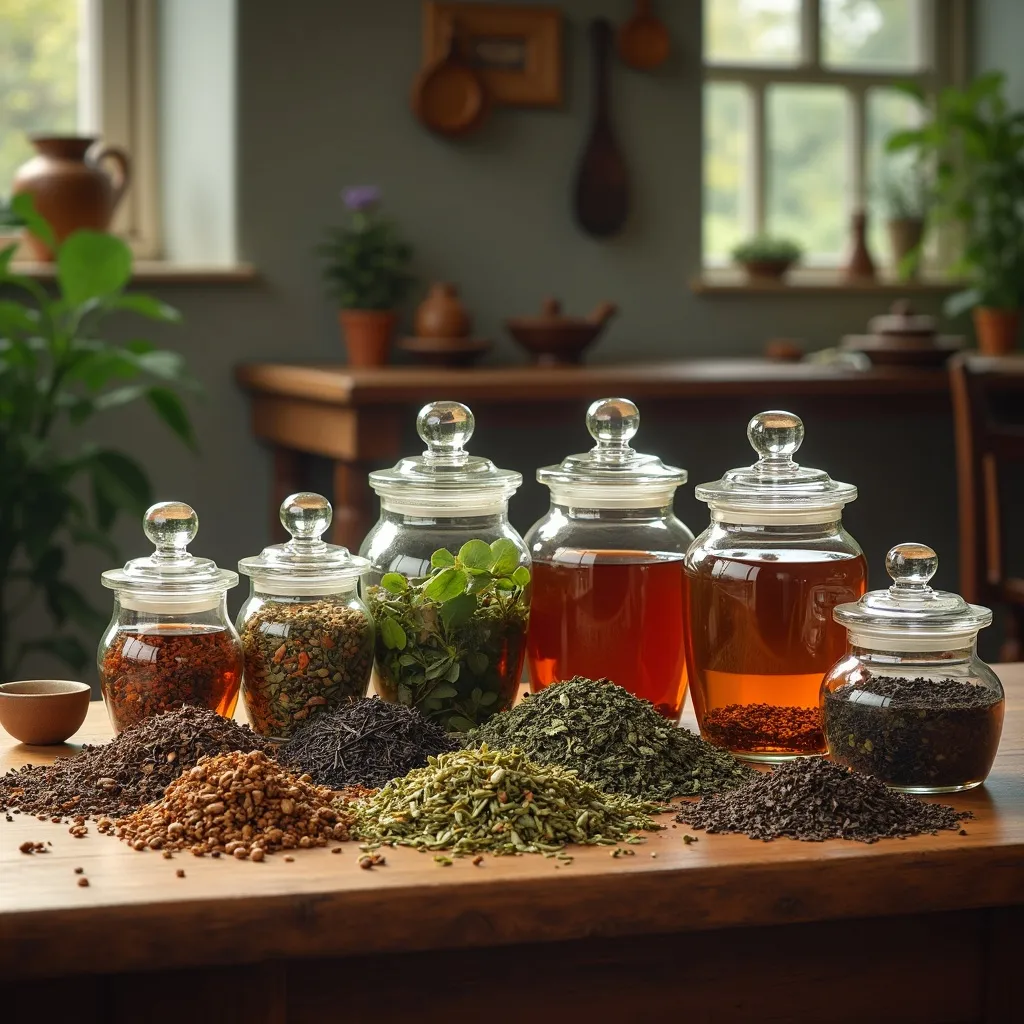
Core Brewing Techniques for Superior Loose Leaf Tea
Brewing loose leaf tea can turn a simple beverage into evaluation a wonderful experience. The journey starts with picking carefully selected leaves, as the flavor and aroma largely copyright on their fresh state. A precise water temperature is important; different types of tea require particular ranges to reach their full potential. For example, delicate green teas excel at lower temperatures, while robust black teas benefit from boiling water.
The right amount of tea should be measured as well, usually one teaspoon for every cup. The steeping time plays a significant role in flavor extraction; too much steeping can cause bitterness. Using a proper infuser allows the leaves to expand and fully release their extracts. Finally, savoring the tea without distractions heightens the experience, letting the drinker enjoy the complexities of flavor and aroma. Mastering these procedures guarantees a top-quality cup of loose leaf tea every time.
Usual Blunders to Circumvent in Loose Leaf Tea Making
Numerous tea aficionados fail to notice common mistakes that can impair the quality of their loose leaf tea. One widespread error includes using water that is too hot or too cold, which can lead to excessive extraction or under-extraction of flavors. Additionally, failing to weigh the tea leaves accurately can result in a brew that is either too weak or overly bitter. Another typical mistake is neglecting to steep for the proper timeframe; different teas require exact steeping times to reveal their full capabilities. Moreover, using unfiltered water can impart unwanted tastes, compromising the tea's character. Finally, failing to wash brewing equipment regularly may lead to residual flavors from previous brews, affecting the current cup. By avoiding these common pitfalls, tea lovers can enhance their brewing process and enjoy a more satisfying loose leaf tea experience.
Discovering the Flavor Dimensions of Loose Leaf Tea
A diverse range of taste characteristics is found within loose leaf tea, each providing distinct flavor sensations. These profiles can vary considerably based on elements such as the variety of tea plants, growing conditions, and processing methods. For instance, green tea varieties often display herbal and plant-like flavors, while black teas can present rich, malty flavors with hints of chocolate or caramel. Oolong teas may bridge these characteristics, showcasing flower and fruit notes.
Although not technically tea, herbal infusions provide their own distinct flavors, ranging from the stimulating mint of peppermint to the rich tones of rooibos. White teas are valued for their delicate, subtle sweetness and lightness, often inspiring a sense of calm. Understanding these flavor profiles enables tea enthusiasts to discover and appreciate the vast array of tastes, improving their overall experience with tea. Each cup can become a voyage through different regions and cultures, reflecting the craftsmanship behind loose leaf tea.
Discovering Your Perfect Loose Tea Selection—A How-To
Finding the correct loose leaf tea can be an delightful but challenging task for many lovers. To explore this vast array, one must factor in personal tastes, including taste, scent, and health advantages. First, identifying the preferred flavor profile—whether floral, fruit-based, or earthy—can considerably limit options.
Next, understanding the caffeine amount is vital; some may opt for the energizing effects of black tea, while others might prefer the relaxing properties of herbal blends. Additionally, examining different tea origins can provide one-of-a-kind flavor journeys, as each region imparts distinct characteristics.
In conclusion, examining any health benefits tied to specific teas, like green tea's antioxidants or digestive support in herbal infusions, can better inform the deciding process. By reflecting upon these factors, tea connoisseurs can confidently pick a loose leaf tea that fits with their tastes and wellness goals.
Leading Suppliers for Loose Leaf Tea
When exploring the best brands for loose leaf tea, it is vital to consider both specialty selections and cost-effective options. Specialty brands often offer distinctive blends and high-quality ingredients, attractive to tea connoisseurs. On the other hand, affordable everyday options can deliver satisfying flavors without overspending, making them available for frequent enjoyment.
Top Artisan Brands
While tea enthusiasts often seek out quality and flavor, the selection for craft producers can substantially improve the loose leaf tea experience. Artisan brands are acknowledged for their precise sourcing and crafting techniques, which provide exceptional flavor profiles and unique blends. Notable names include Adagio Teas, celebrated for their extensive collection and commitment to freshness, and Harney & Sons, esteemed for their elegant packaging and premium ingredients. Another notable choice is Steven Smith Teamaker, which focuses on small-scale production, assuring each tea reflects its origin's character. Ultimately, Rishi Tea highlights environmental responsibility and organic sourcing, appealing to sustainable-minded drinkers. These brands exemplify the craftsmanship of artisanal tea, offering connoisseurs a marvelous adventure through taste and tradition.
Affordable Everyday Options
Affordable regular options in loose leaf tea provide a pleasant way for tea aficionados to enjoy excellent brews without spending too much. Brands like Harney & Sons, known for their wide selection and reasonable prices, offer rich blends that cater to different tastes. Similarly, Adagio Teas excels with its affordable sampler packs, allowing consumers to explore varied options without a hefty commitment. For those seeking organic choices, The Tea Spot provides high-quality loose leaf teas at accessible prices. Finally, Stash Tea combines cost-effectiveness with a diverse range of options, making it easy for tea lovers to find their favorite blend. These brands prove that enjoying top-tier loose leaf tea doesn't have to come at a high cost.
Maintaining Your Loose-Leaf Tea: Practical Tips
Proper storage is crucial for maintaining the taste and quality of loose leaf tea. Selecting the right containers, along with managing temperature and humidity, can significantly improve the tea's longevity. Understanding these factors will assist tea enthusiasts maintain their favorite blends effectively.
Best Stashing Containers
When determining appropriate storage containers for loose leaf tea, it is important to think about considerations such as exposure to light, ventilation, and moisture control. Receptacles should be opaque to safeguard tea from brightness, which can damage flavor and aroma. Airtight seals are important to keep out air from entering, keeping freshness. Materials like metal, glass, or ceramic are preferable, as they do not absorb odors or moisture. Avoid plastic containers, which may introduce undesirable flavors. Additionally, it is helpful to pick receptacles with a large opening for easy access and maintenance. Ultimately, the correct storage approach will preserve the tea's quality and improve the total brewing process, making sure each cup is as enjoyable as intended.
Optimal Warmth and Moisture Balance
The preservation of loose leaf tea depends significantly on optimal temperature and humidity levels. To keep tea fresh, tea should be kept in a cool, dry environment, preferably between 60°F to 75°F (15°C to 24°C). Excessive heat can cause flavor degradation, while lower temperatures may cause moisture condensation. Humidity levels should remain below 70% to prevent mold and spoilage. Sealed containers, preferably opaque to block light, further protect tea from environmental factors. When traveling or in humid climates, a desiccant packet can help absorb excess moisture. By following these guidelines, tea enthusiasts can ensure their loose leaf tea maintains its vibrant flavor and beneficial properties for an extended period. Proper storage is essential for experiencing the full potential of every cup.
The Notable Positives of Loose Leaf Tea
While many tea drinkers appreciate the convenience of tea bags, loose leaf tea provides a range of distinctive benefits that improve the overall experience. One notable advantage is the exceptional quality of the tea leaves. Whole leaf options usually contain of intact, unbroken leaves, which retain more essential oils and flavors compared to the dust and fannings often present in tea bags. This results in a richer, more aromatic brew.
Furthermore, bulk tea provides greater control over the steeping method. Tea enthusiasts can readily modify the quantity of tea and steeping time to suit their preferences, enabling a personalized taste experience. The larger leaves also expand during brewing, facilitating better infusion and nutrient release.
Finally, loose leaf tea is often more sustainable, as it commonly comes without the waste associated with individual tea bags. Overall, these benefits create a more pleasant and environmentally responsible tea-drinking experience.

Frequently Inquired Questions
May I Brew Again Loose Leaf Tea for Several Brews?
Yes, whole leaf tea can be resteeped for numerous brews. Each following infusion often delivers distinct flavors, improving the enjoyment. However, the frequency of resteeping is determined by the particular variety and quality.
What Length of Time Does Loose Leaf Tea Keep Its Freshness?
Loose leaf tea usually remains fresh for six to twelve months when maintained correctly in an sealed vessel, protected from light, water vapor, and powerful scents. After this period, taste and aroma gradually reduce.
What Gear Should I Acquire for Loose Leaf Tea?
Preparing tea leaves demands a infuser or teapot, a kettle for heating water, a spoon for measurement for exact quantities, and a timer to ensure optimal brewing time for the best flavor.
Is Loose Leaf Tea More Expensive Than Bagged Tea?
Loose leaf tea frequently is more expensive than bagged tea due to higher quality leaves and a more intricate manufacturing method. However, many enthusiasts believe the exceptional taste and enjoyment justify the additional expense.
Can I Mix Multiple Types of Loose Leaf Tea?
Yes, various kinds of loose leaf tea can be mixed. Combining diverse tastes and scents allows for unique blends, improving the tasting experience. Experimentation with proportions can lead to delightful and custom tea creations.
Report this page